LiteLLM Python package compromised by supply-chain attack
What it is
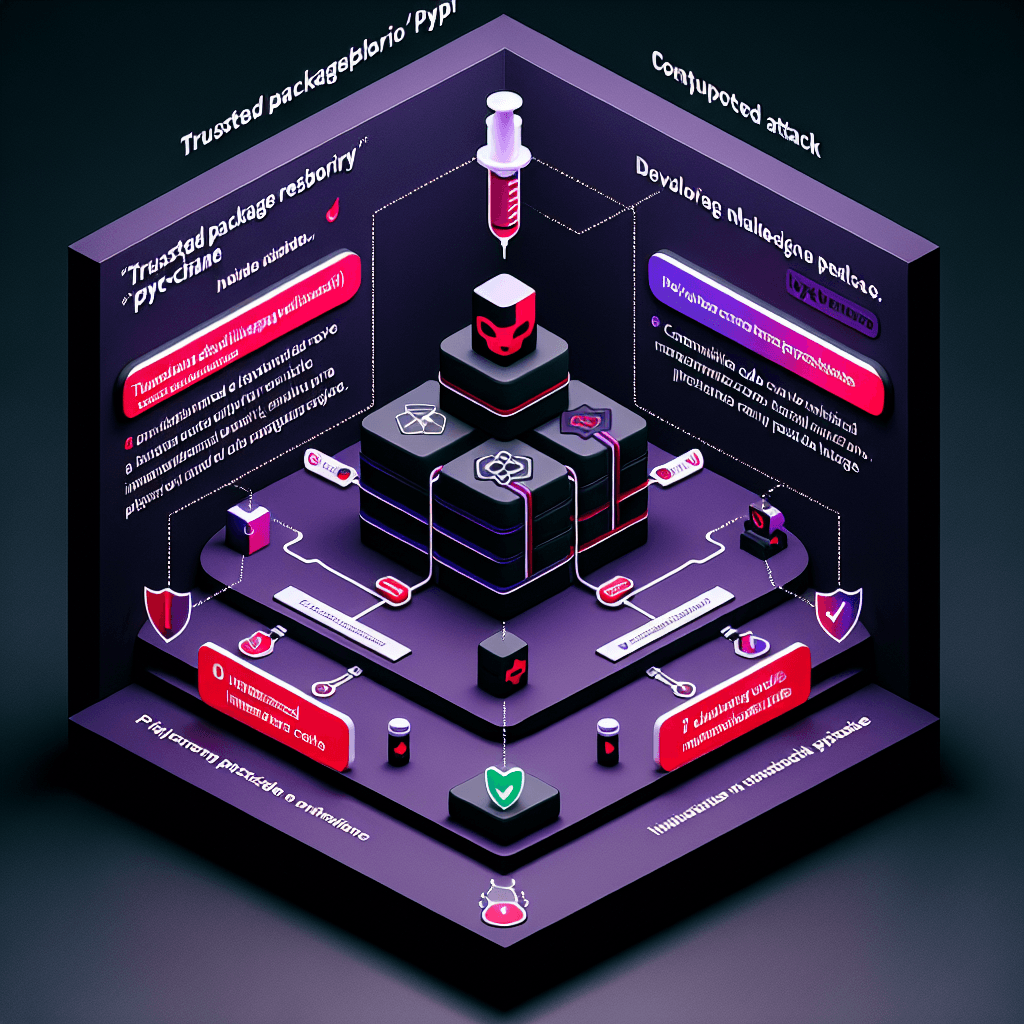
Supply-chain attacks target the software components you import, not your code directly. Think of it like poisoning ingredients at the factory instead of breaking into individual kitchens. Attackers compromise a popular library—in this case LiteLLM, which helps developers route API calls across OpenAI, Anthropic, Cohere, etc.—so every project that installs it pulls down malicious code automatically.
Why it matters
If you're building with LLMs, you're probably using helper libraries like LiteLLM to avoid writing boilerplate for each provider. This attack proves those convenience layers are now high-value targets. Check your requirements.txt or pyproject.toml today. Pin your versions. Use tools like pip-audit to scan for known compromises. The AI tooling ecosystem is young and moving fast—supply-chain hygiene matters more than ever.
Key details
- •LiteLLM is a popular Python package for unified LLM API management across providers
- •Attack reported via GitHub issue #24512 in the official BerriAI/litellm repository
- •Malicious code was injected into the package distribution, compromising downstream projects
- •Affected users should immediately audit dependencies, check for unauthorized versions, and update to verified releases
- •This follows a pattern of increasing supply-chain attacks targeting AI infrastructure tooling
Worth watching
 1:54
1:54The LiteLLM Attack Explained: The Future of AI Supply Chain Risk
ZerberusAI
Provides comprehensive analysis of the attack mechanics and broader implications for AI supply chain security, moving beyond surface-level coverage.
 18:04
18:04How LiteLLM Became a Weapon in a Supply Chain Attack
Santosh Subramanian
Explains the chain of trust exploitation and how the attack actually weaponized the supply chain, offering technical depth into the vulnerability mechanism.
 10:30
10:30BREAKING: LiteLLM Has Been Compromised — What You Need to Know and Do Immediately
Fahd Mirza
Combines urgent threat awareness with actionable remediation steps, making it valuable for understanding both the severity and practical response measures.